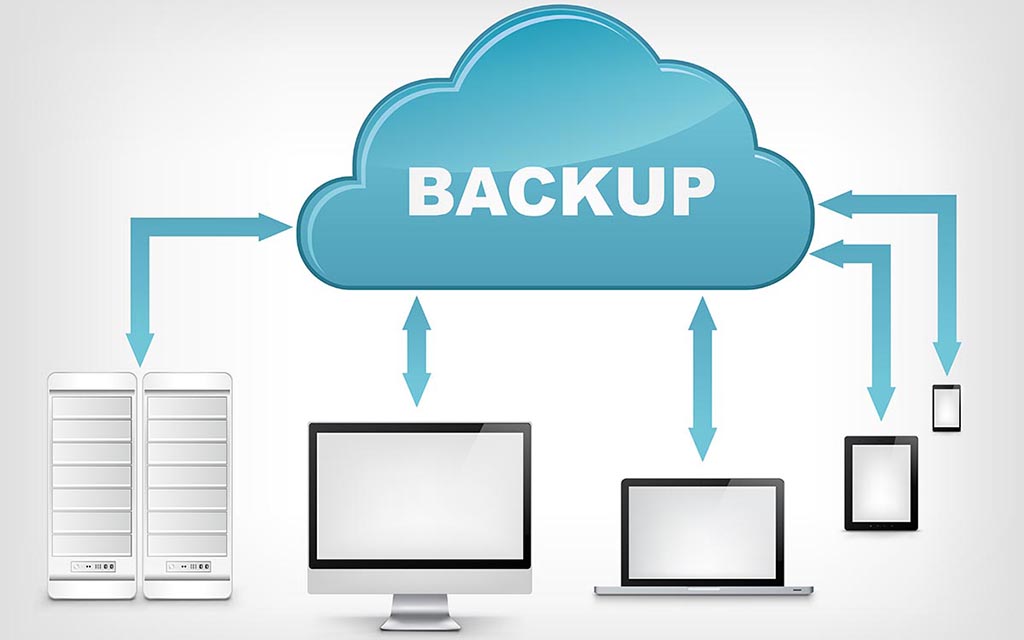
Top 5 Backup Solutions to Protect Your Data from Technology Failures
In today's digital age, safeguarding your data is more critical than ever, especially given the potential for technology failures. There are numerous backup solutions available, each with its unique advantages. Here, we highlight the top 5 backup solutions to ensure your valuable information remains protected:
- Cloud Storage Solutions: Services like Google Drive and Dropbox offer automated backups and accessibility from anywhere with an internet connection.
- External Hard Drives: A reliable option for those who prefer physical storage, providing a tangible backup that you control.
- Network Attached Storage (NAS): Ideal for small businesses, NAS allows multiple users to access and back up data seamlessly over a local network.
- Backup Software: Programs like Acronis or Carbonite can automate backups and manage multiple backup locations for robust data protection.
- Hybrid Backup Solutions: Combining cloud and local storage methods, hybrid systems offer increased flexibility and redundancy, making them a top choice for comprehensive data security.
Counter-Strike is a highly popular multiplayer first-person shooter game that has captivated gamers since its release. Players engage in various game modes, often pitting teams of terrorists against counter-terrorists. For those looking to enhance their gaming experience, it's essential to have the right hardware, such as fast storage solutions. You can check out the Top 10 external ssds for mac to find optimal options for loading games smoothly. The strategic gameplay and teamwork required in Counter-Strike continue to make it a favorite in the esports community.
How to Choose the Right Backup Solution for Your Business Needs
Choosing the right backup solution for your business is crucial to ensure the safety and availability of your data. Start by assessing your specific business needs, including the volume of data you handle, regulatory requirements, and the recovery time objectives (RTO) you aim to achieve. Consider the following factors when evaluating backup solutions:
- Data Security: Ensure that the solution provides encryption and compliance with relevant regulations.
- Scalability: The solution should grow with your business and handle increased data loads without significant performance degradation.
- Ease of Use: A user-friendly interface can simplify backup management and recovery processes.
Another important aspect to consider is the backup methods that each solution offers. Common options include local backups, cloud-based backups, and hybrid solutions that combine both. Each method has its own advantages; for instance, cloud backup solutions offer off-site data storage which enhances data security, while local backups may provide faster recovery times. It is also advisable to implement a 3-2-1 backup strategy, which means keeping three copies of your data, on two different media types, with one copy stored off-site. By carefully weighing these factors, you can select a backup solution that not only meets current requirements but also safeguards your business against future challenges.
What to Do When Technology Fails: Essential Backup Tips and Strategies
In our increasingly digital world, technological failures can occur unexpectedly, leaving us vulnerable and frustrated. Whether it's a sudden computer crash, a corrupted file, or a malfunctioning device, knowing what to do can significantly mitigate the chaos. The first step is to evaluate the situation—determine the extent of the failure and whether immediate troubleshooting can resolve it. For instance, if your device won't start, try a hard reset or check for loose connections. Should that not work, it's important to search for backup solutions. Regular backups are essential; without them, you risk losing important work and memories.
To further safeguard your data against potential technology failures, consider implementing a combination of strategies. Here are some essential tips:
- Always back up important files to an external hard drive or cloud storage regularly.
- Keep software and systems updated to help prevent glitches and vulnerabilities.
- Install antivirus software to protect against malicious attacks that could lead to data loss.
- Have a contingency plan in place, including emergency contacts for tech support or reliable service providers.
By taking these proactive measures, you can reduce the impact of technological failures and maintain peace of mind.