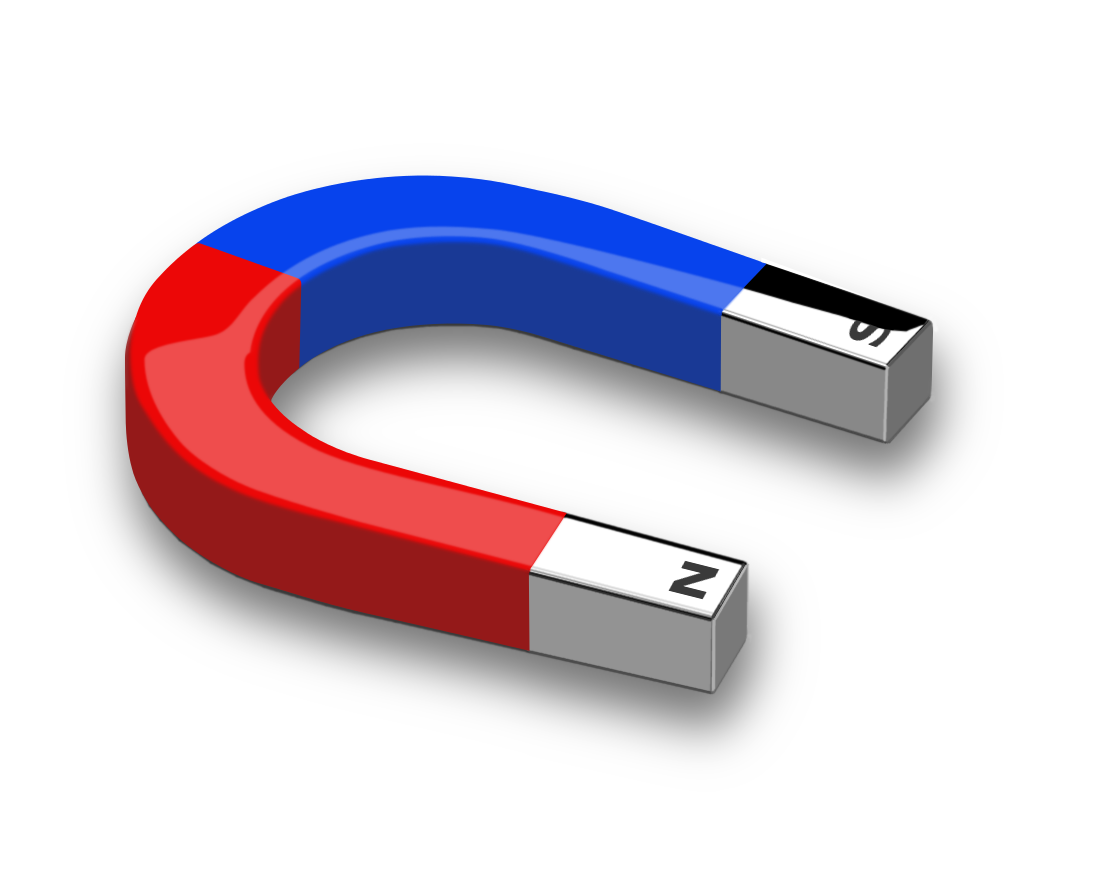
The Psychology of Attraction: How Magnetic Moments Shape Our Connections
The psychology of attraction is a complex field that intertwines various elements of human behavior, emotions, and social connections. At its core, attraction is influenced by both physical and psychological factors that can evoke powerful, magnetic moments. These moments often occur when individuals share common interests, values, and experiences that enhance feelings of closeness and intimacy. For instance, research suggests that physical appearance, body language, and even scent can play a crucial role in first impressions, drawing people towards one another.
As we explore the intricacies of attraction, it becomes evident that magnetic moments are not merely about surface-level appeal. Emotional resonance, such as shared laughter or empathetic listening, significantly strengthens interpersonal bonds. Psychologists emphasize the importance of these connections, highlighting that emotional alignment and vulnerability can create lasting impressions. By understanding the underlying psychological principles of attraction, one can enhance their relationships and foster deeper connections that go beyond fleeting encounters.
Counter-Strike is a highly popular first-person shooter game that pits teams of terrorists against counter-terrorists in various objective-based game modes. With its strategic gameplay and team coordination, it has become a staple in the esports community. Players often look for the best gear to enhance their gaming experience. For example, you might want to check out the Top 10 wireless chargers for iphone to keep your devices charged during long gaming sessions.
The Science of Chemistry in Relationships: What Really Draws Us Together?
The realm of human relationships is deeply influenced by the science of chemistry, often manifesting in the strong emotional and physical connections we form with others. From the initial attraction sparked by pheromones to the complex interplay of hormones like dopamine and oxytocin, our bodies react in profound ways that guide our social interactions. Research indicates that our brains often respond chemically when we encounter someone we resonate with, lighting up regions associated with pleasure and reward, making it clear that this chemical connection plays a crucial role in the bonds we create.
Moreover, the science of chemistry goes beyond mere physical attraction; it can also shape our emotional attachments. The neurobiological processes in play can enhance feelings of love and intimacy, as well as impact our decision-making when it comes to choosing partners. Studies suggest that individuals in long-term relationships often exhibit similar neurochemical profiles, indicating that successful partnerships may be rooted in both biological compatibility and emotional chemistry. Understanding these factors can provide valuable insights into how we navigate the complexities of love and companionship.
Do Opposites Attract? Debunking Myths About Interpersonal Magnetism
The age-old question Do opposites attract? often pops up in conversations about relationships, suggesting that individuals with contrasting traits can form stronger bonds. However, research indicates that while differences can create initial intrigue, shared values and common interests are typically more significant factors in long-term compatibility. According to a study published in the Journal of Personality and Social Psychology, couples who share similar attitudes and beliefs experience greater relationship satisfaction, debunking the myth that opposites are inherently more appealing.
Moreover, the concept of interpersonal magnetism can be misleading. While it’s true that opposites may attract in specific circumstances—such as in personality dynamics—lasting relationships are often built on a foundation of mutual understanding and attraction. For instance, a quiet individual may be drawn to a more outgoing partner, but for the relationship to thrive, they should have core values in common. In essence, embracing similarity rather than seeking out differences can lead to deeper connections and more enduring partnerships.