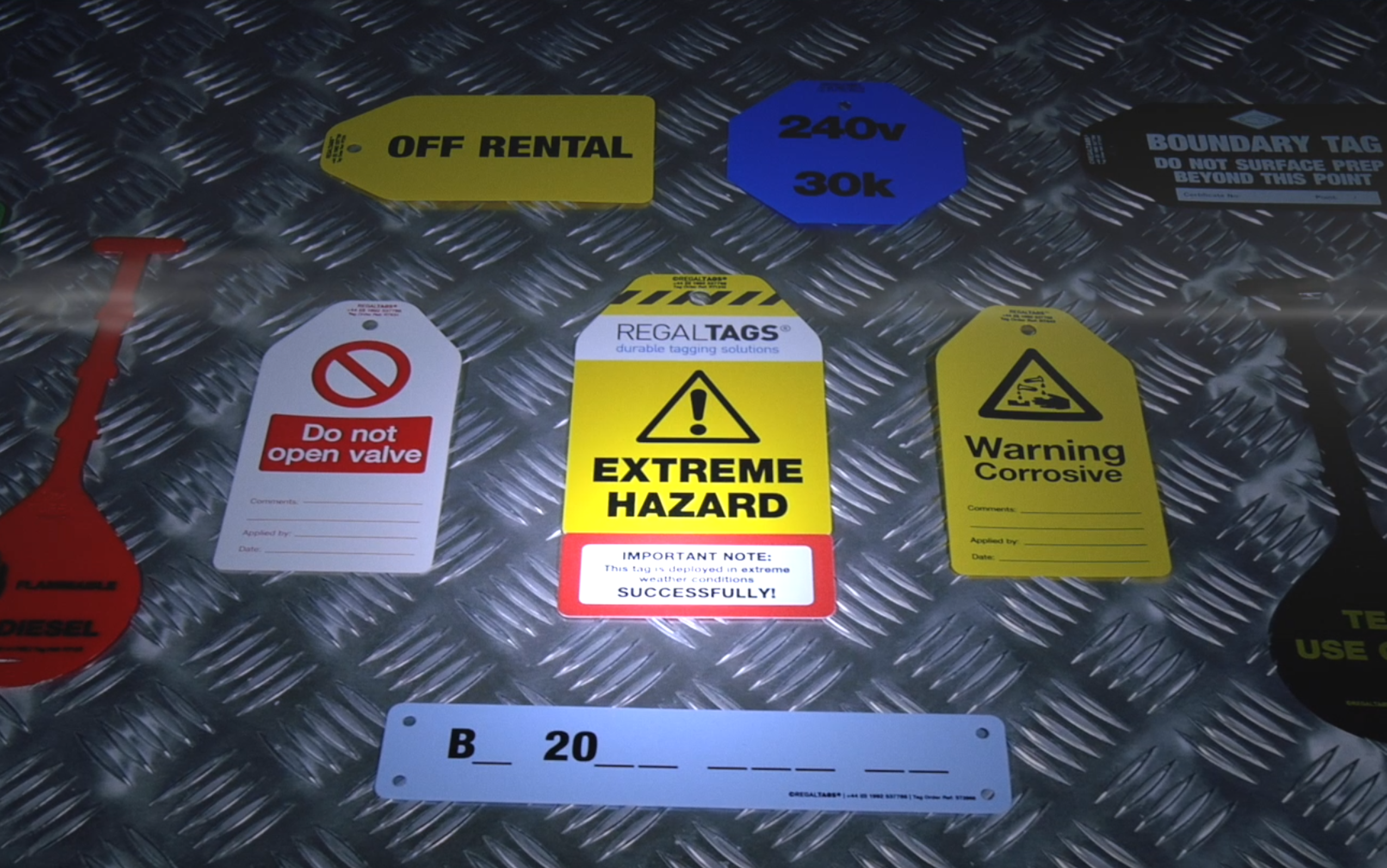
Understanding the Importance of Safety Tags in Workplace Safety
In any workplace, safety should be the utmost priority. This is where safety tags come into play, serving as crucial tools for communication and risk management. Safety tags provide essential information about hazardous conditions, equipment status, and necessary precautions. For instance, they can alert employees to machinery that is under maintenance or warn them of potential chemical exposure. Understanding the importance of these tags not only helps in fostering a culture of safety but also minimizes the risk of workplace accidents and injuries, ultimately leading to a more productive environment.
Moreover, effective use of safety tags can greatly enhance compliance with safety regulations. Regulatory bodies often mandate the use of proper tagging systems to ensure that all potential hazards are clearly communicated to workers. By implementing a standardized system of safety tags, organizations can maintain a more organized and efficient safety management process. This includes training employees to recognize and respond to the information provided by these tags, which can significantly improve overall workplace safety outcomes.
Counter-Strike is a highly popular team-based first-person shooter that has captivated gamers since its inception. With its emphasis on strategy, teamwork, and skill, it offers an electrifying competitive environment. Players join either the terrorist or counter-terrorist teams, engaging in various objectives like bomb defusal or hostage rescue. For those who enjoy outdoor activities, it's essential to complement your gaming experience with the right gear. Check out the Top 10 Apple Watch Accessories for Runners to enhance your fitness journey!
10 Essential Types of Safety Tags Every Workplace Should Use
In any workplace, ensuring safety is paramount, and one effective way to enhance safety awareness is through the use of safety tags. Here are 10 essential types of safety tags every workplace should implement:
- Danger Tags: Used to indicate immediate hazards that can cause serious injury or death.
- Warning Tags: These tags signal potential hazards that may not be as severe but are still important to acknowledge.
- Caution Tags: Used for situations where workers need to be mindful of possible risks.
- Biohazard Tags: Essential in environments that handle biohazardous materials.
- Lockout/Tagout Tags: Critical for machines that are under maintenance or repair, alerting workers to stay clear.
- First-Aid Tags: Indicate the location and availability of first-aid kits within the workplace.
- Personal Protective Equipment Tags: These remind employees about the requisite safety gear for specific tasks.
- Safety Audits Tags: Indicate areas that have been inspected and found compliant or needing attention.
- Environmental Hazard Tags: Warn about possible environmental risks present in the workplace.
- Fire Safety Tags: Essential for indicating fire exits, extinguishers, and overall fire safety protocols.
By utilizing these 10 essential types of safety tags, you can create a more informed and safer workplace environment. Not only do these tags assist in maintaining compliance with safety regulations, but they also foster a culture of safety among employees. The clarity and visibility that safety tags provide can greatly reduce workplace accidents and enhance overall productivity. Regularly updating and maintaining these tags to ensure they remain legible and relevant is crucial for ongoing safety management.
How to Effectively Implement Safety Tags for Maximum Protection
Implementing safety tags effectively is crucial for ensuring maximum protection in any workplace. To start, organizations should conduct a thorough assessment of the areas where safety tags will be deployed. This includes identifying potential hazards and understanding the specific requirements for tagging different equipment or areas. Labeling each hazard clearly with color-coded safety tags helps in quickly communicating risks to employees. For example, red tags can indicate immediate danger, while yellow tags may signify caution. By aligning the color coding with established safety protocols, businesses can enhance compliance and minimize workplace accidents.
Once the assessment is complete, training employees on the significance of safety tags is imperative. Regular training sessions should enlighten staff on the meaning of various tags and the proper actions to take upon encountering them. To facilitate learning, consider utilizing visual aids and hands-on demonstrations. Additionally, establishing a routine for inspecting and updating safety tags helps ensure that all tags remain visible and legible. This ongoing commitment to maintaining safety tag integrity guarantees that maximum protection is consistently upheld across the workplace.