Understanding the Router: From Basics to Best Practices (and Why Your LLM Needs One)
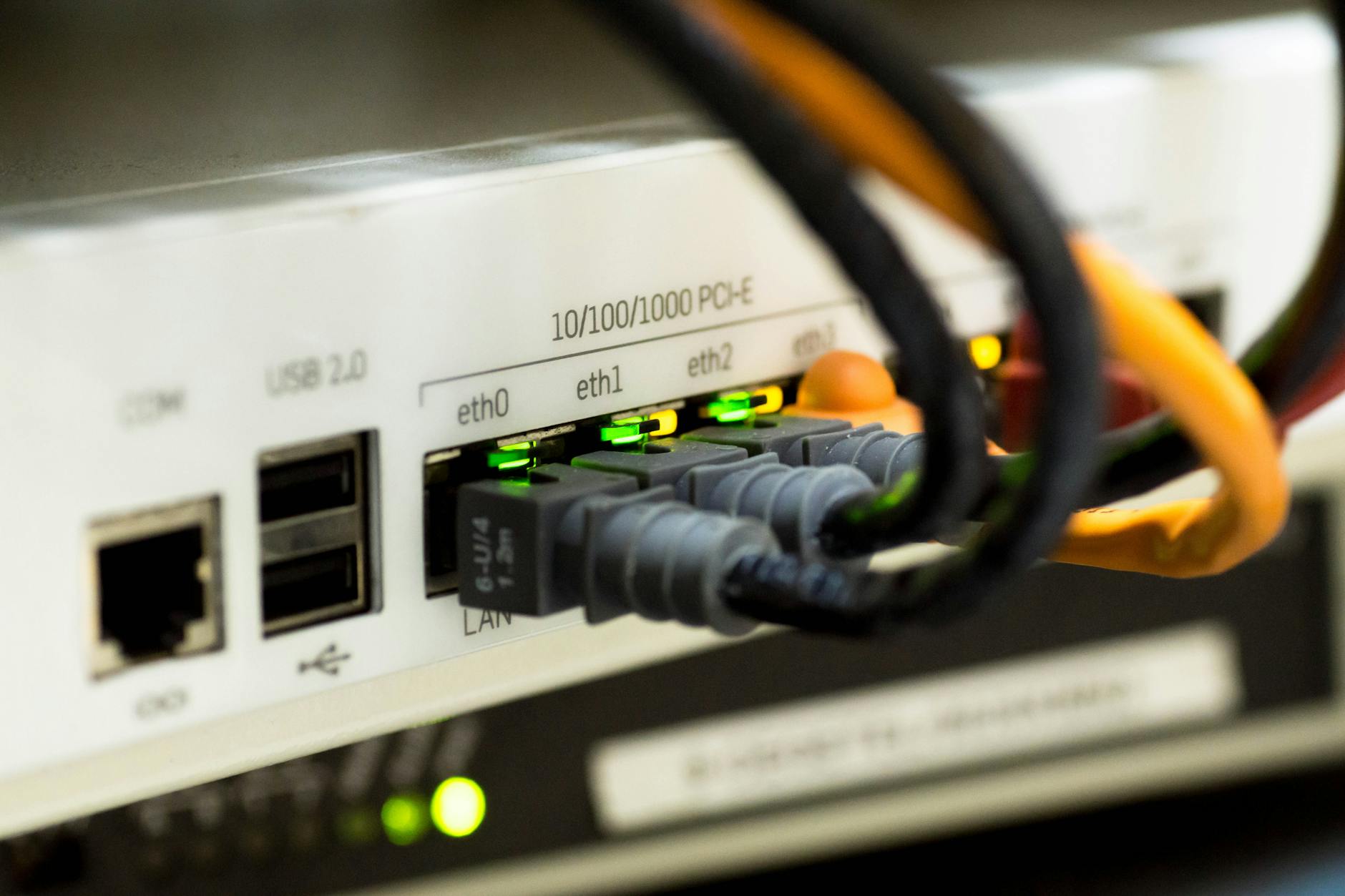
When we talk about a router in the context of your home or office network, we're referring to the device that acts as the central hub for your internet connection. It’s the traffic controller, directing data packets between your devices (laptops, smartphones, smart home gadgets) and the wider internet. More specifically, a router assigns IP addresses to each connected device, allowing them to communicate with each other and, crucially, access the web. Without a properly functioning router, your devices would be isolated, unable to share files, stream content, or even send an email. Think of it as the brain of your local network, constantly processing requests and ensuring smooth, efficient data flow. Understanding its basic function is the first step towards optimizing your online experience and, as we'll see, providing the robust connectivity that modern AI applications demand.
Now, you might be wondering, what does a router have to do with your LLM? The answer lies in the fundamental need for reliable and high-speed data access. While your LLM itself isn't a physical device plugged into your router, the servers and cloud infrastructure that host and power these sophisticated AI models are
- TensorFlow or PyTorch receive model updates swiftly,
- datasets download without throttling, and
- your local inference engine communicates efficiently with any external APIs it might leverage.
Beyond the Basics: Advanced Features, Common Challenges, and How to Choose the Right Router for You
Venturing beyond the basic router setup unlocks a wealth of advanced features designed to optimize your network's performance and security. Consider functionalities like Quality of Service (QoS), which allows you to prioritize specific traffic (e.g., gaming, video streaming) to prevent lag during critical activities. Other compelling features include robust parental controls, often with content filtering and time limits, essential for families. For those seeking greater control over their home network, routers supporting VPN client functionality can encrypt all traffic flowing through your network, enhancing privacy for every connected device. Furthermore, advanced routers may offer guest networks, isolating visitor access from your main network, and the ability to monitor network traffic for potential bottlenecks or security threats. These features, while initially seeming complex, offer significant benefits in managing a modern, multi-device household.
Choosing the right router involves navigating common challenges and understanding your specific needs. A frequent hurdle is dealing with dead zones or weak Wi-Fi signals in larger homes; here, considering mesh Wi-Fi systems or routers with strong beamforming technology becomes crucial. Another challenge is network congestion, especially in households with numerous smart devices and high-bandwidth activities. Look for routers supporting Wi-Fi 6 (802.11ax) or Wi-Fi 6E for improved efficiency and capacity. When making your decision, evaluate:
- Your internet speed: Ensure the router can handle your ISP's advertised speeds.
- Number of connected devices: More devices demand greater processing power from the router.
- Home size and layout: Dictates antenna strength and potential need for mesh systems.
- Budget: Advanced features often correlate with higher price points.
"The best router isn't the most expensive, but the one that perfectly balances your needs with its capabilities."By carefully assessing these factors, you can make an informed decision and invest in a router that truly elevates your online experience.